
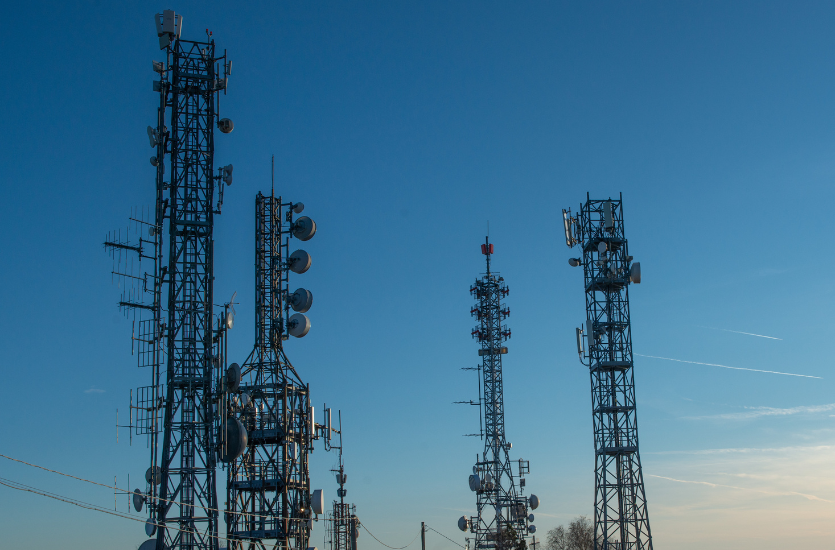
Just as people do not, radio systems do not always speak the same language. A crossband repeater acts as a bridge. It listens on one band and re-transmits on another. That allows radios using different frequencies to communicate through a shared link.
This article explains when crossband repeaters make sense and why teams use them in the field. You will see clear examples, common setups, and situations where crossbanding solves coverage and coordination gaps across mixed radio systems.
What Crossband Repeaters Do
A crossband repeater connects two different frequency bands. It receives a signal on one band and sends it out again on another. Most often, this means linking VHF radios to UHF radios. Each side hears the message as if it came from a system they already use.
This is different from a standard repeater. A standard repeater stays on one band. Crossbanding works across bands. That makes it useful when teams carry different radios or operate in wide geographic areas.
Crossband repeaters are commonly built into dual-band radios, vehicle-mounted units, or portable gateway devices. They act as a relay point between users who otherwise could not talk directly.
The goal is simple communication. Handheld radios gain reach. Dispatched units stay connected. Teams avoid switching equipment just to share information.
How Crossband Repeaters Work
Crossband repeaters may sound complex, but the process itself is relatively easy to grasp. Think of them as a relay that listens, switches bands, and passes the message along so everyone stays in the loop.
Here is the basic signal flow, step by step:
- Step 1: A radio transmits on Band A, such as VHF
- Step 2: The crossband device receives that signal
- Step 3: The device converts the audio to Band B, such as UHF
- Step 4: The message is re-transmitted on the second band
- Step 5: Radios on Band B hear the message and can reply the same way
This back-and-forth happens automatically once the system is programmed.
Most crossband setups rely on dual-band radios, vehicle-mounted units, or base stations. These devices can listen and transmit on two bands at the same time. A common setup links handheld radios to a mobile radio in a vehicle, which then relays traffic to a wider system or base location.
Tones and squelch keys are often used to keep things orderly. They limit who can trigger the repeater and reduce unwanted transmissions. This helps keep traffic clear and predictable during daily operations.
When to Use Crossband Repeaters
So this begs the question: when should you use crossband repeaters and why is it so important in the world of two-way radios? The answer usually comes down to coverage, compatibility, and short-term needs in changing environments.
Crossband repeaters are often used in these situations:
- Extending handheld range in large or remote areas: A vehicle or portable gateway relays traffic so handheld radios stay usable beyond their normal limits, especially in wide or uneven terrain.
- Connecting radios on different frequency bands: VHF and UHF users can communicate without replacing equipment or carrying multiple radios.
- Operations with constant movement: Search and rescue efforts, public events, and field teams benefit when users move in and out of coverage zones.
- Temporary field setups: Crossbanding works well for short-term deployments where installing a fixed repeater is not practical.
In each case, crossband repeaters provide a practical way to keep teams connected without overbuilding the system.
Interoperability Across Systems
Interoperability is one of the biggest reasons teams use crossband repeaters. Many organizations already operate on different bands. Some rely on VHF. Others use UHF. Crossbanding allows those systems to communicate without forcing everyone onto the same equipment.
When a crossband repeater is in place, UHF users can speak with VHF users through a shared relay point. Each group stays on its assigned channel while still hearing and responding to the same traffic. This keeps operations moving without added complexity.
Benefits for users on different bands include:
- Fewer radios to carry or manage
- Clear communication across mixed systems
- Faster coordination between teams
- Less confusion during handoffs or transitions
This approach is common in multi-agency scenarios. Fire, law enforcement, public works, and support teams often operate on separate bands. Crossband repeaters provide a practical bridge that supports cooperation during planned events and emergency responses alike.
Crossband Repeaters and Digital Voice Radios (DVRS / DVR-LX)
Modern digital voice radio solutions have expanded how crossband repeaters are used in the field. Systems like today’s DVRS and DVR-LX platforms support crossband links that connect portable radios, mobile units, and fixed systems across different bands.
Digital voice radios add flexibility to crossbanding. They carry clear audio, support consistent channel structure, and allow controlled linking between bands. Many units are built for vehicle use or rapid deployment. That makes them a strong fit for changing conditions where teams need fast setup and reliable communication paths.
Digital crossbanding works especially well in situations like these:
- Incident response vehicles: A mobile unit links handheld radios on scene to a wider VHF or UHF system used by command staff.
- Large public safety events: Different agencies stay on their own bands while sharing updates through a common digital gateway.
- Remote operations: Field teams use portables while a vehicle-based DVRS connects them back to base or dispatch channels.
In each case, digital crossband radios help tie systems together without redesigning the entire network.

Basics to Help Users Get Set Up
Crossband repeaters are only as useful as their setup. A few planning steps can make day-to-day use much easier and reduce unwanted traffic.
Here are some simple setup tips to keep in mind:
- Programming basics: Assign clear transmit and receive frequencies for each band. Label channels clearly so users know which side they are on.
- Supported radios: Many dual-band mobile radios, vehicle gateway units, and portable repeaters support crossband functions. Some handhelds do as well, though range may be limited.
- Channel planning: Keep crossband channels separate from routine talkgroups. This helps avoid confusion during busy operations.
- Tones and squelch: Use CTCSS or DCS tones to control access. This limits who can activate the repeater and reduces stray transmissions.
- Testing before use: Always test both directions to confirm audio passes cleanly across bands.
A little upfront planning helps crossband systems work the way teams expect when it matters most.
Common Pitfalls and Myths
Crossband repeaters often get a reputation for being unreliable, but most problems come from how they are used, not from the technology itself. Clearing up a few common misunderstandings can prevent frustration in the field.
One frequent issue is misuse or poor setup. Crossbanding works best when channels, tones, and power levels are planned ahead of time. Without that planning, users may experience dropped audio or unintended access.
Another common myth is that crossband repeaters function the same as standard repeaters. They do not. Standard repeaters stay on one band and are usually fixed in place. Crossband systems link two different bands and are often mobile or temporary. Mixing up those roles can lead to wrong expectations.
Simple configuration mistakes can also limit performance. Using the wrong band pairing, overlapping channels, or mismatched tones can reduce clarity and range. These issues are easy to fix once identified, which is why careful programming and testing matter before deployment.
Safety and Operational Notes
Crossband repeaters should be used with the same care as any shared radio resource. Clear operating habits help keep traffic organized and reduce confusion when multiple users are involved.
Operational etiquette starts with discipline. Users should pause briefly before speaking so transmissions are not clipped. Messages should stay short and focused, especially when a crossband link serves more than one group. Identifying yourself or your unit is also helpful, since people listening on another band may not recognize voices or radio IDs.
Legal considerations matter as well, particularly for crossband receivers used in amateur radio settings. Rules often center on station identification, operator control, and frequency use. Because a crossband device repeats an incoming signal, it can unintentionally pass traffic without proper identification on the outgoing side. This may lead to unidentified transmissions if the system is not configured correctly. Some setups rely on auto-ID features, while others require a licensed control operator who maintains control over both sides of the link.
Monitoring is also important. A stuck microphone or unintended activation can affect many users at once. Assigning someone to oversee the system helps keep operations orderly and compliant throughout use.
Bringing It All Together with Crossband Repeaters
Crossband repeaters solve a simple but common problem. Not every radio system operates on the same band, and coverage gaps still happen. By linking different frequencies, crossbanding helps teams communicate without replacing equipment or rebuilding systems.
These tools shine in wide areas, mixed-band environments, and temporary deployments. They also play an important role in multi-agency operations and mobile field work, where flexibility matters more than permanence.
For organizations planning or expanding systems that support crossband repeat, EMCI Wireless offers experience with modern radio platforms and gateway solutions. Our team supports southern and central Florida, including Daytona Beach, Miami, Tampa, and surrounding areas. Reviewing your current setup can reveal where crossbanding may fit, and EMCI Wireless can help guide those next steps.
Contact us today to learn more.