
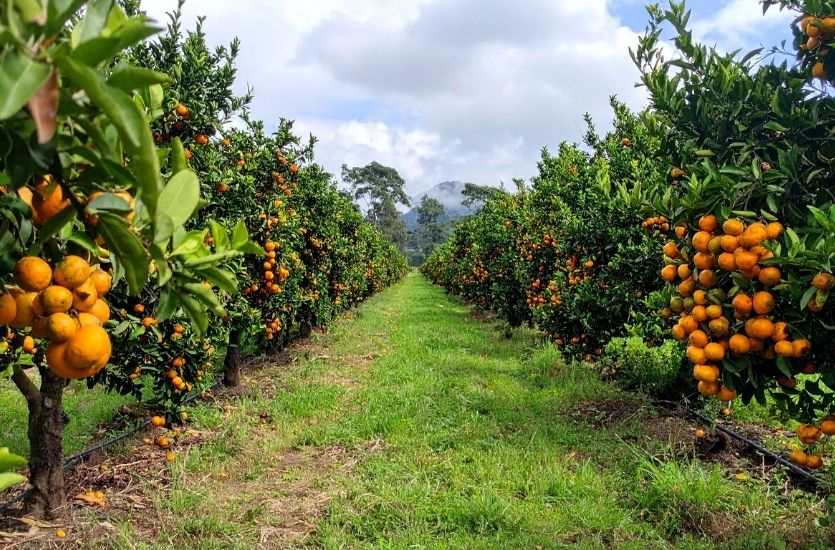
Farming today involves far more than planting and harvesting. Weather patterns are less predictable. New equipment brings added complexity. Economic pressure keeps margins tight. Competition continues to grow. Crews, machines, acres, and timing all have to line up, often at the same moment, to keep work moving forward.
In this environment, clear communication matters more than ever. Many operations rely on agriculture two-way radios as a simple tool used across fields, barns, and equipment. With quick push-to-talk access, teams can share updates, adjust plans, and stay connected during long, demanding days.
Communication Matters in Modern Agriculture
As we head into 2026, agriculture remains big business. Bins are full. Prices are soft. Rates are drifting down, but they are still not cheap. Cattle markets continue to hold their ground. According to the most recent WASDE report from the U.S. Department of Agriculture, 2025 production is projected at 16.8 billion bushels of corn, 4.3 billion bushels of soybeans, and 1.98 billion bushels of wheat. Those are no small numbers.
While small farms still exist, large-scale operations are far more common today. With acres spread out and crews working near loud equipment, missed messages can hurt productivity and revenue. Phones often struggle in the field due to poor signal, noise, and delays. Clear, instant communication has become part of daily farm operations.
Common Communication Challenges on Today’s Farms
Anyone who has spent time in the field knows that farm communication rarely goes as planned. Even with planning and experience, everyday conditions can interrupt the flow of information. While these challenges were touched on earlier, they deserve a closer look because they shape how work gets done on modern operations.
Here are some of the common communication issues faced by today’s farmers:
- Spotty cellular service: Many fields sit far from reliable towers, leading to dropped calls and delayed messages.
- Loud machinery: Tractors, combines, and dryers make it hard to hear calls or alerts.
- Workers spread across large properties: Crews may be miles apart, making face-to-face updates impractical.
- Fast-changing conditions during planting and harvest: Weather shifts, equipment issues, and timing adjustments require quick updates.
When communication breaks down, small delays can quickly add up across the day.
How Two-Way Radios Support Daily Farm Operations
On today’s farms, communication has to be fast, simple, and reliable. That is where two-way radios fit naturally into daily routines. They are used across fields, barns, shops, and vehicles to keep everyone on the same page without slowing the work.
Agriculture two-way radios give crews a direct line to one another. There is no dialing. No waiting for a call to connect. A quick press of a button lets workers speak and be heard right away. That simplicity matters when hands are busy, and timing is tight.
Radios are used for equipment coordination, task updates, and quick check-ins throughout the day. An operator can flag a delay. A supervisor can reroute a truck. A worker can call for help without leaving their position. All of this happens while machines keep running.
Unlike phones, radios are built for shared use. One message reaches the whole group. That keeps everyone aligned, even when crews are spread out. For farms juggling multiple tasks at once, two-way radios support steady progress without adding complexity.
Equipment Coordination Across the Farm
On a busy farm, equipment rarely works in isolation. Tractors prep the ground while sprayers follow close behind. Combines move through fields as trucks rotate in and out. When timing slips, everything backs up.
Two-way radios allow operators to stay connected without stopping work. A tractor operator can call out a slow pass before it causes overlap. A combine driver can alert a truck that a hopper is almost full. A sprayer can pause briefly after hearing about a blockage ahead. These quick callouts replace hand signals that are easy to miss and hard to read from a distance.
Radios also cut down on unnecessary stops. Operators do not have to shut down equipment to make a call or drive across a field for an update. One short message keeps everyone aligned and moving in the same direction.
During long days when multiple machines are running at once, clear communication helps equipment flow better across the farm and keeps crews focused on the work in front of them.
Improving Harvest Operations and Timing
Harvest compresses weeks of work into a short window. Grain moisture, weather, and truck availability all influence decisions hour by hour. When communication lags, combines wait. Trucks idle. Grain backs up.
Two-way radios help keep harvest moving by shortening the path between the question and the answer. A combine operator can speak directly to the truck driver instead of passing the message through a supervisor first. That direct line reduces the “filtering” effect that often happens when updates move through several people. Details stay intact. Timing stays tighter.
During peak harvest days, radios support:
- Load timing between combines and carts
- Traffic flow for trucks entering and leaving fields
- Quick adjustments when weather or yields shift
When messages reach the right person the first time, crews spend less time correcting small missteps that can ripple across the day.
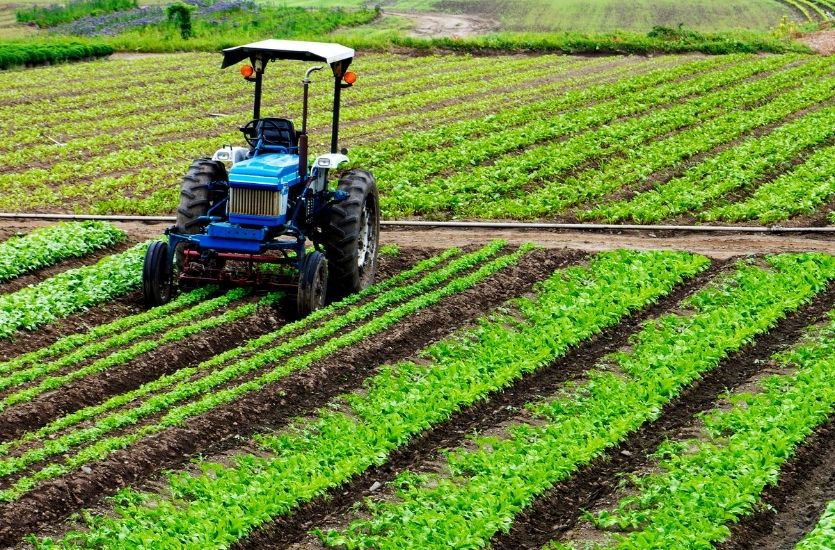
Supporting Livestock and Daily Animal Care
Row crops are only part of the picture. Livestock operations rely on steady coordination from morning chores to evening checks. Feeding schedules, health concerns, and facility needs all require fast communication.
Radios work well in barns and across pastureland where phones may struggle. A worker noticing a gate issue or animal concern can call the right person immediately. There is no delay caused by relaying the message through multiple layers of staff.
Direct communication helps avoid message changes that can happen when someone paraphrases or leaves out details. The original observation reaches the decision-maker as it was intended. That clarity supports faster responses and more consistent care throughout the day.
Farm Safety and Worker Awareness
Safety depends on timely, accurate information. Heavy equipment, limited visibility, and changing conditions create real risks. When warnings are delayed or altered as they move through a chain of people, the outcome can be serious.
Two-way radios help reduce that risk by letting workers speak directly to one another. A machine operator can alert others about movement. A worker can report a hazard as soon as it appears. Weather changes can be shared quickly across crews.
Because messages do not pass through several hands, there is less chance of details being softened, shortened, or reinterpreted. What one worker sees is what the rest of the team hears.
Coverage Across Large Properties
Many modern farms stretch across thousands of acres. Crews may be working miles apart, often out of sight and earshot. Communication tools need to cover that distance without constant interruptions.
Radios are built for wide-area use. With the right setup, teams can stay connected across fields, buildings, and access roads. Repeaters extend coverage so messages stay clear even at the edges of the operation.
This matters when decisions affect multiple areas at once. A single update can reach everyone at the same time, instead of moving step by step through supervisors and crew leads. That keeps plans aligned across the entire property.
Ease of Use for Seasonal and Full-Time Crews
Farm labor changes throughout the year. Seasonal workers may join crews with little time for training. Communication tools need to be simple.
Two-way radios meet that need. Push-to-talk operation is easy to explain and quick to use. There are no apps to install or numbers to save. Workers focus on the task, not the device.
Simple tools also limit message distortion. When fewer steps are involved, fewer details are lost. The person giving the update speaks directly to the person who needs it.
Radio Features That Matter Most on the Farm
Not every feature adds value in the field. Farms tend to focus on practical traits that support long days and demanding conditions.
Common priorities include:
- Clear audio around engines and equipment
- Batteries that last through extended shifts
- Controls that work with gloves
- Channels that separate crews by task or area
These features support communication without adding complexity. The goal is clarity, not clutter.
Motorola Radios Built for Agricultural Environments
Many farms turn to Motorola radios because they are designed for demanding work settings. These radios are known for clear audio and consistent performance during long operating days.
In agriculture, reliability supports decision-making. When operators trust that a message will be heard as spoken, they are less likely to repeat themselves or route updates through multiple people. That helps limit message changes and keeps everyone aligned during busy seasons.
This is where agriculture two-way radios fit naturally into daily routines, supporting crews without pulling attention away from the work.
Planning a Farm Radio Setup
Every farm operates differently. Planning a radio system starts with understanding daily communication needs, not technical specs.
Keep the following factors in mind:
- Number of users on a typical day
- Size and layout of the property
- Mobile equipment versus fixed locations
- Peak seasons when traffic increases
A thoughtful setup allows messages to flow directly between the people doing the work. Fewer handoffs mean fewer misunderstandings and faster responses.
Support and Service from EMCI Wireless
Working with a local provider in Southern and Central Florida matters. EMCI Wireless supports agricultural operations by helping farms match equipment to real-world needs.
Beyond hardware, ongoing service helps keep systems working season after season. When communication tools stay reliable, crews can focus on planting, harvest, and care rather than troubleshooting.
Direct communication, backed by experienced support, helps farms stay organized during their busiest moments.
Clear Communication Pays Off
Agriculture continues to grow in scale and complexity. With more acres, equipment, and people involved, communication plays a larger role in daily outcomes. When messages pass through too many hands, details can shift and timing can slip.
By allowing direct, push-to-talk communication, agriculture two-way radios help farms share accurate information faster. That clarity supports productivity, safety, and smarter coordination across the operation, day after day.