
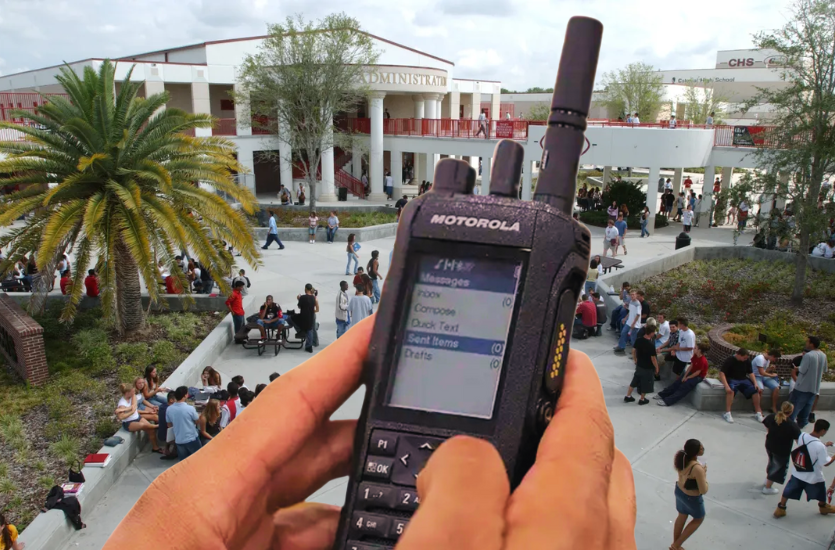
Communication requires intention. And related to communication, a dependable two-way radio system doesn’t happen by accident. It starts long before the first radio is powered on. Every building has its own mix of materials, layout challenges, and interference sources, which is why thoughtful planning is the foundation of clear communication. So, how do you determine what radios you need to make sure that communication flows when it needs to?
A site walk is the first step in designing a system that performs consistently in every corner of your facility, from basements to loading docks. At EMCI Wireless, our team brings extensive experience in RF assessments and system design, giving organizations confidence that their communication network is built on solid, tested data.
What a Two-Way Radio Site Survey Walk Actually Is
A two-way radio site survey walk is a detailed, on-the-ground assessment that helps technicians understand how radio signals behave throughout a facility. During this walkthrough, specialists evaluate radio frequency (RF) conditions, structural challenges, and any factors that may influence communication quality.
They also take time to understand how the organization operates, including where staff work, how teams move through the space, and which areas demand strong, uninterrupted coverage. This process is valuable for a wide range of environments, including schools, hospitals, distribution centers, manufacturing plants, hotels, event venues, and municipal buildings.
By studying both the space and its daily activity, a site walk lays the groundwork for designing a system that supports the way people actually work.
Step One: On-Site Evaluations
Though we’re always happy to chat with you over the phone and offer initial guidance, a site survey provides a much deeper look at what your building truly needs. Once our team is on-site, we can see how the structure functions, how people use the space, and what conditions may influence signal performance.
Facility Walkthrough
The two-way radio site survey walkthrough is the first chance to observe how your building is laid out and how your team moves through it. Technicians review general operations, entrances, stairwells, mechanical rooms, basements, long corridors, and outdoor areas where communication must remain steady. Every corner of the property matters.
During this stage, the team identifies areas that support daily operations as well as high-priority locations where dependable communication is non-negotiable, such as security desks, loading zones, nursing stations, production floors, or emergency response routes. This groundwork helps create an early picture of where the system excels and where coverage improvements will be needed.
Professional RF Testing Equipment
We don’t just show up with a notebook in hand, ready to take some notes. Alongside the physical walkthrough, technicians use specialized tools to gather real RF data throughout the property. Spectrum analyzers help identify noise and competing signals in the environment. Signal meters measure current radio strength across different floors and rooms.
RF scanners sweep for interference that could disrupt clarity. Portable repeaters and testing radios simulate communication performance and help evaluate how signal paths behave in real conditions. By pairing each tool’s readings with observations from the walkthrough, the team builds an accurate profile of your facility’s communication challenges. This data becomes the foundation for a strong system design.
Environmental Analysis
Once the initial walkthrough and RF tests are complete, the next step is understanding how the building itself shapes radio performance. Every structure has unique physical characteristics, from materials to layout to the devices operating inside, that can strengthen or weaken signal coverage. This stage helps uncover the hidden factors that influence clarity, reach, and overall reliability.
Building Materials
The materials used throughout a facility play a major role in how radio waves travel. Concrete, steel, and dense insulation can absorb or block signals, making it harder for coverage to reach interior rooms or lower levels. Glass, especially modern low-E coated panes, can reflect RF energy and create unpredictable dead spots.
Older buildings often have thick masonry walls that restrict signal movement, while newer construction may use energy-efficient materials that also impede RF strength in different ways. Understanding how these materials interact with radio waves helps technicians identify where coverage is strongest and where additional support may be needed.
Structural Layout
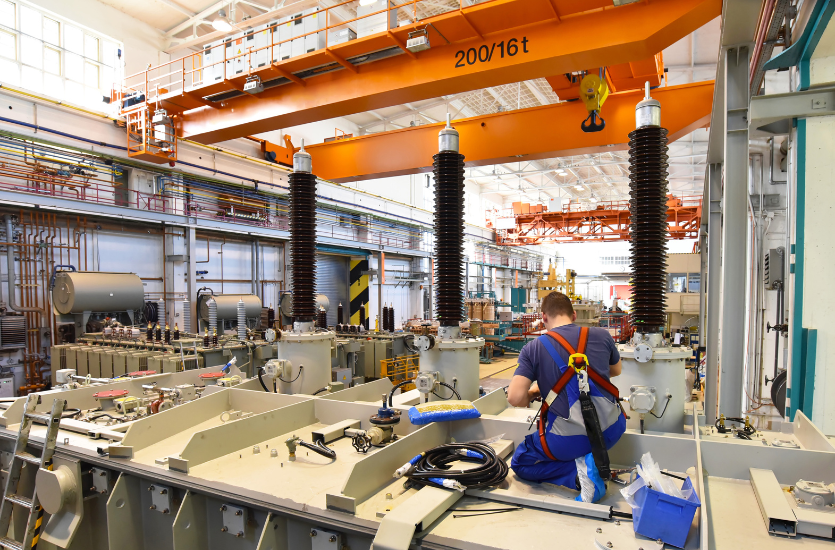
Beyond materials, the shape and flow of the building influence how well radios perform from room to room. Long hallways, multi-level floor plans, dense mechanical areas, and thick-walled spaces can interrupt signal paths. Large equipment in industrial settings can also create shadows where signals weaken or fade.
Typical hidden problem areas include:
- Basements
- Tunnels or underground corridors
- Mechanical rooms
- Parking garages
Mapping these layout challenges early helps guide the strategic placement of antennas, repeaters, or other system components.
Existing Electronic Devices
A building’s electronics also affect RF performance. High-traffic Wi-Fi networks, industrial machinery, medical equipment, and other wireless systems can create noise or interference that makes radio signals harder to hear. Even devices that don’t appear related to communication can produce unintended RF energy.
During this part of the survey, technicians document what devices are operating, how frequently they’re used, and where they overlap with existing or planned radio channels. Understanding this electronic environment helps prevent signal congestion and supports a clear, dependable communication experience.
Interference Detection
After examining the building and its materials, the next step in the two-way radio site survey is identifying anything in or around the facility that competes with two-way radio signals. Interference can reduce clarity, shrink usable range, and create unpredictable gaps in communication, so pinpointing these sources is an important part of an accurate assessment.
What the Site Survey Team Looks For
During this stage, technicians search for both internal and external elements that may disrupt radio performance. Common sources include:
- Nearby radio systems
- Cellular repeaters
- Wi-Fi networks
- Industrial machinery
- Power systems
Each of these can introduce noise into the RF environment, making it harder for radios to carry a clear signal from one point to another. Even minor interference can cause messages to cut out or sound distorted. By identifying these factors early, the team gains insight into how the system should be designed to maintain dependable coverage throughout the facility.
Documenting Interference Areas
As interference sources are identified, technicians document their location, strength, and impact. Using data from analyzers and scanners, they log readings that show how signals shift throughout the building and which areas experience the most disruption.
These notes help determine whether mitigation, filtering, reconfiguration, or channel adjustments may be needed. Thorough documentation also creates a clear record that guides the system design phase, allowing the final communication network to be tailored with accuracy and intent.
Signal Mapping
With interference identified and environmental factors documented, technicians move into one of the most detailed parts of the survey: mapping how radio signals actually perform throughout the space. This creates a visual picture of coverage patterns and highlights where communication falls short.
Mapping Method
Technicians measure signal strength room by room, floor by floor, and across outdoor areas to build an accurate view of how radios behave in real conditions. Using specialized meters and software, they record readings that show patterns of strong and weak coverage.
These readings are then compiled into coverage heatmaps, which are visual charts that use colors to represent RF performance. Heatmaps make it easy to see how signals travel, where they weaken, and where adjustments may be needed to support clear communication.
Identifying Weak or Dead Zones
During mapping, certain locations almost always reveal signal challenges. Stairwells, elevator shafts, steel warehouse racks, dense concrete rooms, and lower-level subfloors often show reduced coverage or complete drop-off. Identifying these weak or dead zones early helps guide the design strategy by highlighting where antennas, repeaters, or additional equipment may be required.
Addressing these spots during the planning stage helps create a communication system that supports daily operations in all the places where staff need reliable coverage.
Assessing Life Safety Compliance
Beyond everyday communication, a two-way radio system must support the needs of emergency responders. During the site survey, technicians evaluate how well the building aligns with Life Safety requirements and whether upgrades are needed to meet local and federal guidelines.
Why Life Safety Standards Matter
Buildings must support dependable communication for fire, police, and other emergency teams. Local jurisdictions and national guidelines, such as the International Building Code (IBC), International Fire Code (IFC), and NFPA 72, outline expectations for signal coverage, equipment placement, and system reliability.
While the specifics vary by region, the goal is consistent: give first responders the radio performance they need during emergencies. A Life Safety review during the site walk helps determine whether the current environment meets these expectations or requires improvement.
Prioritizing Reliable Communication for Emergency Situations
Strong, consistent coverage can make a real difference when first responders enter a building during an emergency. Clear communication between teams and building personnel supports faster decision-making and safer outcomes.
To support this level of performance, the system may require added components like redundant pathways, battery backup, and equipment designed to stay operational during power interruptions. By reviewing these factors during the site walk, technicians can plan a communication system built to remain steady even under demanding conditions.
Designing for Improved Two-Way Radio Connectivity
Once all data from the site walk is gathered, the next step is turning those findings into a communication plan that supports dependable coverage. This phase focuses on solving the challenges uncovered during testing and shaping a system that performs well throughout the entire facility.
Bridging the Gaps
Every reading taken during the site walk, from signal strength, interference, structural challenges, to layout concerns, helps technicians understand where communication breaks down. Using this information, the team determines what needs to be adjusted, strengthened, or redesigned.
They look closely at how signals move through the building, where they weaken, and what obstacles stand in the way. This approach makes it possible to build a communication network that supports clear audio in the areas where staff rely on radios most.
Possible Solutions
With problem areas identified, technicians select the right tools and strategies to improve coverage. Common solutions include:
- Distributed antenna systems (DAS)
- Bi-directional amplifiers (BDAs)
- Repeater placement
- Antenna repositioning
- Power adjustments
- Channel planning and rebanding
- Migration to digital systems, if necessary
Tailoring Solutions to the Client’s Needs
No two facilities operate the same way, which is why customization matters. Technicians consider factors like how teams move through the building, how many users rely on radios, whether communication is needed outdoors as well as indoors, and what future growth may look like. By aligning the system design with daily operations and long-term needs, the final solution supports communication in the moments that matter most to each organization.
The Deliverable: A Comprehensive Report
After the site walk is complete, all measurements and observations are organized into a clear, user-friendly report. This document gives clients a full picture of their facility’s RF environment and outlines the best path forward for building a dependable communication system.
What Clients Receive
Clients receive a detailed summary of the building’s RF conditions, including readings that outline how signals travel through the space. The report includes color-coded signal maps, documented interference sources, and notes from the Life Safety review. It also presents straightforward recommendations and design strategies chosen to support the building’s needs while staying practical and budget-conscious.
How the Report Guides System Build-Out
The report becomes the roadmap for building or improving the communication system. It outlines suitable design options such as DAS, BDAs, and repeaters, along with guidance on equipment selection and placement. Clients also receive a projected installation timeline and budget considerations based on the scope of upgrades. This planning helps move the project from assessment to implementation with clarity and structure.
Why Work With EMCI Wireless for Your Two-Way Radio Site Survey
A reliable communication system starts with understanding the environment it needs to support, and that’s exactly what a professional site survey delivers. EMCI Wireless brings deep technical skill, advanced testing tools, and decades of experience designing systems for buildings of every size and purpose. Our team looks at the full picture, including RF conditions, safety expectations, structural challenges, and how your staff actually works, to design a system built for real-world use.
If you’re ready to strengthen communication throughout your facility, fill out our form to schedule your building site survey.