
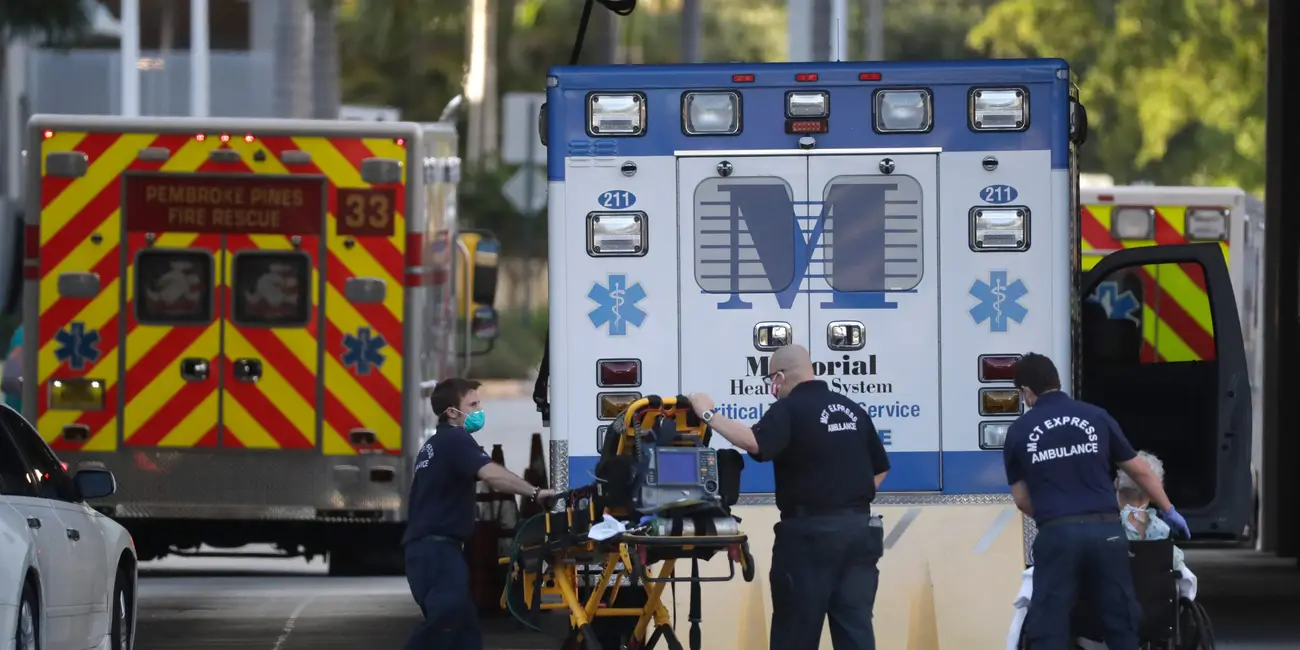
Events bring people together in large numbers. That energy is part of what makes them memorable. It also creates risk. In the U.S. alone, hundreds of millions of people attend sporting events each year. And music? There are over 800 music festivals drawing massive crowds, and that doesn’t include concerts hosting your favorite bands. But sporting events and music are only part of the picture. Fairs, conferences, parades, rallies, and community celebrations all attract thousands of attendees.
Any large gathering can encounter unexpected issues. Crowd issues. Medical incidents. Fights. Severe weather. Suspicious behavior. Without a plan, small issues can spiral fast. That is why event security is about more than prevention. It also depends on preparation and response.
Event security emergency response relies on fast action and clear communication. Event crisis management begins long before gates open. Planning, coordination, and awareness shape how teams respond when pressure is high. When the unexpected happens, preparation guides every decision.
Common Emergencies Faced by Event Venues
Large events rarely face just one type of risk. Many situations develop without warning and demand quick decisions from staff across the venue. Understanding the most common emergencies helps teams prepare for what may happen and how to respond when seconds matter.
1. Crowd Mismanagement and Overcrowding
Crowd mismanagement is one of the most common challenges at large events. It often begins with small issues that build quickly. Long lines at entrances can frustrate attendees. Poor signage can send people in the wrong direction. When crowds bunch together, pressure increases and movement slows.
High-energy moments also raise risk. Popular performers, giveaways, or attractions can trigger sudden surges. When people rush toward one area, others may fall or become trapped. Confusion spreads fast when attendees do not know where to go or what is happening. Rumors move just as quickly, especially through social media or word of mouth.
Medical incidents often follow overcrowding. Attendees are more likely to overheat or get stressed out in cramped spaces. This can result in fainting or panicking. In severe cases, trampling injuries can occur. Event security emergency response depends on spotting early warning signs and acting fast.
Common crowd-related risks include:
- Entry bottlenecks and long lines
- Surges near stages or attractions
- Panic caused by confusion or rumors
2. Violence and Aggressive Behavior
Aggressive behavior at events has become more visible in recent years. According to a recent article from Ticket Fairy, concerts and festivals have seen a rise in headline-grabbing incidents involving fans. Phones and drinks have been thrown at performers. Attendees get overly excited and rush the stage. These actions put artists, staff, and nearby guests at risk.
Music industry experts warn that bad concert behavior is becoming more common. Multiple artists have been struck by objects thrown from the crowd, and that pattern has started to feel normalized. In mid-2023, pop singer Bebe Rexha was hit in the face by a thrown phone. She needed stitches, and the person responsible faced assault charges. Incidents like this show how quickly reckless behavior can turn into a criminal matter.
No genre or location is immune. Stadium shows, small festivals, and boutique events face similar risks. And the result? Festival producers in 2026 are treating fan behavior as a serious safety concern, alongside weather and structural issues. Event security emergency response plans now place greater focus on spotting escalation early and acting fast.
3. Extremism and Targeted Threats
We’re all concerned these days about targeted threats, especially at public gatherings, regardless of size. This year (2026) is pretty significant to all of us as it marks the 25th anniversary of the 9/11 attacks, which killed nearly 3,000 people and reshaped public safety planning across the country. Since then, extremism trends have shifted and expanded, creating a complex risk landscape with different motivations and methods.
From January 1, 2023, through May 2025, there were 2,270 terrorism and targeted violence–related incidents in the U.S. alone. These incidents affected so many people. There were over 500 deaths and over 1,000 people injured in over 1,100 cities. Do these numbers mean events are the primary targets? There is no clear answer. What is clear is that awareness matters just the same.
Threats may appear as suspicious behavior, unattended items, or online warnings shared before an event begins. Event security emergency response depends on staff knowing how to report concerns quickly. And so, event crisis management planning requires awareness, coordination, and clear communication, starting well before attendees even arrive.
4. Gun Violence and Weapon Risks
Gun violence remains a serious concern at public events. Even incidents outside a venue can trigger fear and chaos. In 2024, shots were fired at the end of a Super Bowl victory parade, killing one woman and injuring at least 22 others. In 2025, gunshots fired outside the Vibrant Arena after a concert, causing panic across the Quad Cities.
Those statistics alone show how fast situations can shift. Panic spreads quickly when attendees hear gunfire or believe there is a threat. Clear communication helps prevent stampedes and confusion.
We also know that illegal weapons are a serious risk to event venues. Screening procedures, bag checks, and trained staff help reduce exposure. Still, there is no such thing as a perfect system. While yes, you want your system to be as effective as possible, focus instead on thinking through possible scenarios and making sure how to respond is part of the plan. Don’t forget to consider worst-case scenarios, too.
Rapid coordination with police is a non-negotiable during weapon-related incidents. Make sure your staff understands the significance of communication to share location details and instructions. Event crisis management planning supports faster decisions when emotions run high and time is limited.
5. Staffing Shortages and Gaps
We can all agree that if a venue is short on staff, it is going to increase risk. When staff members fail to show up for work or call in sick at the last minute, it results in coverage gaps. Fewer staff members mean slower response times and missed warning signs.
Temporary staff may lack training or event-specific knowledge. They may not know evacuation routes, reporting procedures, or who to contact during emergencies. This leads to hesitation and confusion during incidents.
Communication breakdowns also happen when teams are short-handed. Messages may not reach the right people. Someone may misunderstand the instructions. Worse, the message may never get to where it needs to go. Event security emergency response depends on every role being filled and informed.
Event crisis management planning should account for staffing challenges. Backup roles, cross-training, and simple communication plans help teams adapt. Clear radio use allows leaders to shift staff quickly when gaps appear. Severe Weather and Natural Disasters
The weather is unpredictable and affects both outdoor and indoor events. In 2024 alone, there were 27 confirmed weather and climate disaster events across the country—many of these affected public gatherings with little warning.
Lightning, heavy rain, and extreme heat pose risks to attendees and staff. High winds can wreak havoc on stages, tents, and structures set up for the event. Natural disasters such as wildfires, floods, or earthquakes can require quick judgment to determine whether it is necessary to evacuate or seek shelter. And remember, no meteorologist can predict how the weather will change with 100% accuracy. We’ve all seen that sometimes things happen far earlier, or worse, than expected.
Here are the top weather-related risks that can impact events in a big way.
- Lightning, heavy rain, or extreme heat
- High winds affecting stages or tents
- Wildfires, floods, or earthquakes
- Rapid shifts that outpace forecasts
Fast updates and clear direction are a must for effective event security emergency response. Event crisis management planning should include weather monitoring, shelter plans, and communication procedures to guide crowds when conditions change.
Threat Assessment Before the Event
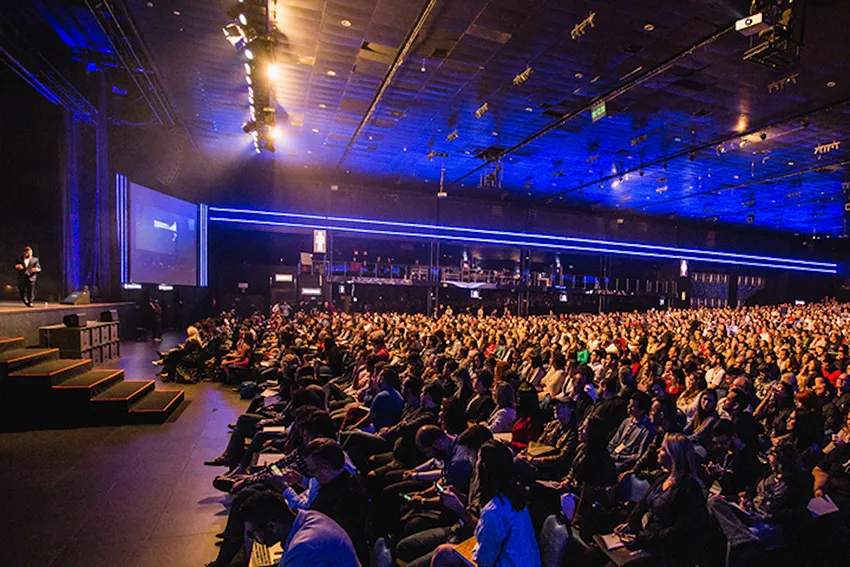
Where are we going with all of this? Threat assessment helps teams decide what to plan for, where to focus staff, and how to communicate when something happens. Here are some things to understand.
- Concerts, festivals, sporting events, and rallies all create different crowd behavior. The more people there are, the harder it is to move and respond. Different age groups may act differently. And the presence of alcohol can make things escalate quickly and in a big way.
- The entry and exit points heavily influence the way a crowd flows. Choke points and narrow walkways increase pressure during busy moments. Visibility limits, such as blind corners, make it harder to spot issues early.
- Stages and VIP sections often draw surges. Parking areas and transit zones are busy and harder to control. Back-of-house spaces need protection to limit unauthorized access.
- Make sure your team is aligned on how to report concerns quickly. Portable two-way radios allow staff across the venue to stay connected without delays.
- Include your local police, fire departments, and emergency medical services in your planning process. Shared response expectations reduce confusion if help is needed.
Emergency Communication Protocols
Strong communication keeps small issues from turning into bigger problems. When communication breaks down, situations escalate fast. Delays increase confusion as staff wait for direction. Mixed messages cause panic among teams and attendees. Silence fills the gap with rumors, which can spread faster than facts. Event security emergency response depends on shared awareness and fast coordination.
Clear communication chains help avoid this chaos. Know who is responsible for reporting incidents, who makes decisions, and who should be contacting external responders. When roles are defined in advance, staff members are more likely to act and less likely to hesitate. This structure supports event crisis management when pressure is high.
Two-way radios sit at the center of these plans. Unlike phones, they offer direct contact without dialing delays. Group and private channels allow messages to reach the right people without crowding others. Reliable coverage across large venues keeps teams connected from parking areas to back-of-house spaces. Many event teams rely on MOTOTRBO portable radios, including the Motorola R7, designed for demanding environments and featuring a chemical-resistant casing suited to unpredictable conditions.
Clear messaging matters just as much as the tools. Use plain language only. Avoid codes that confuse new staff. And this may sound obvious, but be sure to repeat instructions and confirm your intended recipients received them. Trust us in that these simple steps will help keep your teams aligned when it matters most.
How EMCI Wireless Supports Event Security Planning
Event security has become more complex as crowds grow larger and risks evolve. There’s a lot of pressure involved in planning events today. Event security emergency response depends on clear communication, informed staff, and tools that keep teams connected across the entire venue. Event crisis management starts well before an event begins and continues through every phase of operations.EMCI Wireless supports this planning process by helping event teams select and deploy communication systems that fit their environment and staffing needs. From early assessment to on-site coordination, the focus stays on awareness and connection. We also offer free consultations and can assist with a two-way radio site walk to help teams plan coverage and communication flow.